


The maternity photography business in Philadelphia has evolved way beyond traditional pregnancy portraits. Years ago, maternity photos were often simple studio sessions with basic poses and soft backgrounds. Today, the industry feels much more emotional, stylish, and experience-driven. Clients aren’t just booking photos anymore — they’re documenting one of the biggest transitions in their lives.
Philadelphia became a strong market for maternity photographers because the city blends urban style, family-oriented suburbs, luxury clientele, and creative culture all in one region. Some clients want elegant editorial-style studio shoots that look straight out of a fashion magazine. Others prefer intimate, natural sessions focused on emotion and connection. That variety keeps the market interesting but also highly competitive.
Modern maternity photography in Philly is heavily influenced by social media trends. Instagram, Pinterest, and TikTok changed what clients expect visually. Pregnant women now arrive with mood boards, dress inspiration, lighting references, and pose ideas already saved on their phones. They want images that feel timeless but also modern enough to share online immediately.
At the same time, this niche is deeply personal. Pregnancy can feel exciting, emotional, exhausting, and vulnerable all at once. A successful maternity photographer in Philadelphia usually understands that emotional side just as much as camera settings and lighting setups.

Studio Photography Became the Preferred Choice
Studio maternity sessions became especially popular in Philadelphia because they offer control, privacy, and consistency. Weather in Pennsylvania can honestly be unpredictable, and many pregnant clients prefer avoiding outdoor shoots during extremely hot summers or freezing winters.
A professional studio environment allows photographers to fully control:
- Lighting
- Temperature
- Privacy
- Styling
- Backgrounds
- Comfort
That matters because maternity clients often want to feel relaxed and confident during sessions. Some women feel incredibly empowered during pregnancy, while others feel physically uncomfortable or self-conscious. A calm studio atmosphere helps create trust and confidence quickly.
Modern Philly maternity studios usually focus on soft, clean aesthetics instead of outdated cheesy props. Neutral colors, flowing fabrics, dramatic lighting, earth tones, and minimalist setups dominate current trends.
A lot of studios now also include:
| Studio Feature | Why Clients Like It |
| Private changing areas | Comfort & privacy |
| Client wardrobe access | Easier styling |
| Professional makeup options | Luxury experience |
| Soft lighting setups | Flattering portraits |
| Temperature-controlled rooms | Physical comfort |
The overall experience became almost as important as the final images themselves.
Luxury Maternity Photography Is Growing Fast
Philadelphia’s maternity photography market increasingly leans toward luxury experiences, especially in affluent suburbs and high-income neighborhoods. Clients today often want photos that feel cinematic, artistic, and deeply polished.
Luxury maternity photographers frequently offer:
- Designer maternity gowns
- Full styling consultations
- Professional hair and makeup
- Fine-art retouching
- Printed albums
- Wall art collections
Some photographers create sessions that look closer to fashion editorials than traditional family portraits. Dramatic lighting, silk fabrics, bold posing, and high-end editing styles became especially popular online.
Social media plays a huge role in this trend because clients constantly see celebrity maternity shoots and influencer photography online. Expectations naturally increased.
At the same time, authenticity still matters heavily. Many clients don’t want overly fake or heavily edited photos. They want elegant images that still feel emotional and personal instead of overly commercial.
Emotional Storytelling Became More Important
One major shift happening in maternity photography is the move away from stiff posing toward storytelling and emotion. Clients increasingly want sessions that capture connection, anticipation, intimacy, and personality.
That emotional approach works especially well in Philadelphia because the city has a strong artistic and documentary-style photography culture.
Photographers now focus more on moments like:
- Couples interacting naturally
- Hands on the belly
- Quiet emotional expressions
- Movement and fabric flow
- Family connection
- Intimate close-up details
The best maternity photos often feel less “posed” and more emotionally alive.
This storytelling approach also creates stronger client relationships. Families who trust a photographer during pregnancy frequently return later for newborn sessions, milestone photography, and annual family portraits.
Social Media Completely Changed the Industry
Instagram basically reshaped maternity photography over the last decade. Clients now discover photographers visually before reading a single review or website description.
A photographer’s Instagram feed acts like a living portfolio. The visual style immediately communicates:
- Editing aesthetic
- Luxury level
- Studio quality
- Emotional tone
- Fashion sense
Popular maternity photography trends in Philly right now include:
| Trend | Popularity |
| Neutral earth tones | Extremely high |
| Minimalist backgrounds | Very popular |
| Flowing dresses | Strong demand |
| Black-and-white portraits | Timeless trend |
| Fine-art lighting | Growing rapidly |
| Partner inclusion | Very common |
TikTok also started influencing the industry more recently. Behind-the-scenes videos, transformation clips, editing reels, and gown transitions often attract huge engagement.
Philadelphia photographers who consistently post visual content online usually gain stronger visibility than businesses relying only on word-of-mouth referrals.
Competition in Philadelphia Is Intense
The maternity photography market in Philly is crowded. Really crowded.
There are boutique luxury studios, family portrait photographers, freelance creatives, lifestyle photographers, and even influencers entering the market constantly. Because digital cameras became more accessible, many new photographers start maternity work quickly.
That makes branding incredibly important.
Photographers often stand out through:
- Editing style
- Client experience
- Luxury presentation
- Emotional storytelling
- Fashion-inspired sessions
- Cultural specialization
Location also affects business significantly. Clients in suburban areas often prefer nearby studios because traveling late in pregnancy can feel exhausting.
Convenience matters more than people realize. Parking availability, elevator access, scheduling flexibility, and session comfort all influence client decisions.
Styling Became a Huge Part of the Business
Modern maternity photography is heavily connected to fashion styling now. Clients want help choosing dresses, fabrics, colors, and overall aesthetics.
Many photographers invest thousands into studio wardrobes containing:
- Flowing gowns
- Silk fabrics
- Bodysuits
- Neutral draping materials
- Statement dresses
The wardrobe itself often becomes part of the brand identity.
Clients love this because buying expensive maternity dresses for one photoshoot usually feels unnecessary otherwise. Offering styling support creates a smoother luxury experience while also helping photographers maintain consistent visual branding across their portfolios.
Hair and makeup partnerships also became common. Professional styling helps clients feel more confident during sessions and contributes to the polished editorial look many studios now market.
Editing Style Matters More Than Ever
Editing trends in maternity photography shifted significantly over recent years. Philadelphia photographers now lean heavily toward warm, soft, cinematic editing styles instead of heavy filters or unrealistic skin smoothing.
Clients generally prefer photos that feel:
- Clean
- Natural
- Emotional
- Elegant
- Timeless
At the same time, professional retouching still plays a huge role. Editors carefully adjust lighting, skin tones, fabric wrinkles, and background details while trying to preserve realism.
A single maternity gallery can require hours of editing work behind the scenes. Most clients never see that process, but it’s a massive part of what separates premium studios from beginner photographers.
Repeat Clients Build Long-Term Businesses
One of the biggest advantages of maternity photography is how often it turns into long-term family photography relationships.
Many clients later book:
- Newborn sessions
- Baby milestone photos
- First birthday shoots
- Holiday mini sessions
- Family portraits
This repeat client cycle creates steady business growth over time.
Philadelphia families especially value trust and consistency. Once clients connect emotionally with a photographer, they often stay loyal for years and recommend them heavily inside parenting communities and local social groups.
Word-of-mouth still matters enormously in this niche.
The Future of Maternity Photography in Philadelphia
The maternity photography industry in Philadelphia continues evolving alongside social media culture, fashion trends, and changing client expectations.
Several major trends are shaping the future:
| Trend | Industry Impact |
| Luxury studio experiences | Higher-end pricing |
| Cinematic editing | More emotional visuals |
| Video integration | Hybrid content packages |
| Inclusive representation | Broader client diversity |
| AI editing tools | Faster workflows |
| Minimalist aesthetics | Cleaner visual trends |
Clients increasingly want photography that feels personal, artistic, and emotionally meaningful rather than generic.
Even as technology changes, the emotional side of pregnancy photography remains the real foundation of the business. Families aren’t just paying for images — they’re preserving a moment in life that disappears incredibly fast.
Conclusion
The maternity photography business in Philadelphia blends art, fashion, storytelling, and emotional connection into one rapidly growing industry. Studio sessions became especially popular because they offer comfort, privacy, creative control, and luxury experiences that modern clients increasingly expect.
Competition remains intense, but photographers who combine strong branding, authentic emotional storytelling, and polished client experiences continue building successful businesses. Social media visibility, editing style, and customer trust now shape the market almost as much as photography skill itself.
At its core, maternity photography is really about capturing transformation. The best images preserve not just how pregnancy looked — but how it felt during one of life’s biggest transitions.
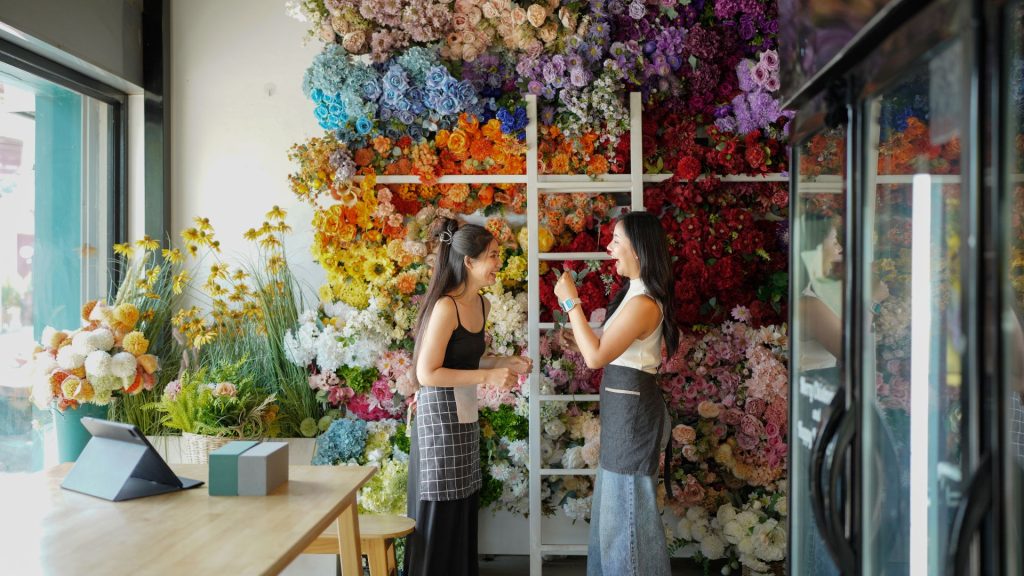
The floral business in New York City moves at the same speed as the city itself — fast, competitive, emotional, and honestly a little chaotic. Flowers in NYC aren’t just decoration. They’re tied to luxury events, fashion culture, corporate branding, weddings, holidays, restaurants, hotels, and everyday city life. In a place where image and experience matter so much, florists become part designer, part entrepreneur, and part crisis manager all at once.
New York is one of the biggest floral markets in the United States, and demand basically never disappears. Every single day, flowers move across the city for birthdays, breakups, proposals, funerals, galas, office spaces, influencer events, fashion launches, and rooftop weddings. A florist in Manhattan might handle a luxury hotel installation in the morning and emergency same-day bouquet deliveries by afternoon.
At the same time, competition is brutal. NYC is packed with boutique floral studios, luxury event florists, neighborhood flower shops, online flower startups, and freelancers all fighting for attention. Customers expect quality fast, and they expect businesses to stand out creatively.
That pressure pushes New York florists to constantly evolve.
New York Customers Expect Premium Quality
One thing about NYC customers — standards are high. People there see luxury everywhere, so basic flower arrangements usually aren’t enough anymore. Customers expect flowers to feel intentional, stylish, and almost editorial.
This is especially true in neighborhoods connected to fashion, media, finance, and luxury real estate. Clients often want arrangements inspired by Pinterest trends, celebrity weddings, hotel aesthetics, or social media visuals.
Popular floral trends in NYC include:
- Minimalist bouquets
- Garden-style arrangements
- Monochromatic color palettes
- Sculptural floral installations
- Dried flower accents
- Seasonal luxury flowers
Presentation matters massively. Packaging, branding, delivery experience, and even how flowers appear on Instagram all influence customer perception.
At the same time, New Yorkers appreciate convenience. Fast ordering systems, same-day delivery, and smooth online checkout experiences became almost mandatory for floral businesses trying to survive in the city.
Weddings Bring Massive Revenue
Wedding florals are one of the biggest money-makers in New York’s flower industry. NYC weddings can get insanely expensive, and floral budgets often reflect that.
Luxury weddings regularly include:
| Floral Feature | Demand Level |
| Ceremony arches | Extremely High |
| Hanging installations | Growing rapidly |
| Luxury centerpieces | Very High |
| Bridal bouquets | Essential |
| Floral photo walls | Trending |
| Reception installations | High-end demand |
Some high-end wedding florists in New York handle projects worth tens of thousands of dollars for a single event. Wealthy clients often prioritize aesthetics heavily because weddings in NYC are deeply tied to image, photography, and social media visibility.
Venues also influence floral design trends. Rooftops, industrial lofts, luxury hotels, and historic buildings all require different visual approaches.
Florists often collaborate closely with:
- Event planners
- Photographers
- Fashion stylists
- Luxury venues
- Lighting designers
- Caterers
Relationships inside this network matter a lot. A strong partnership with wedding planners or venues can create consistent bookings for years.
Flower Markets Are the Heart of the Industry
New York’s floral business revolves heavily around wholesale flower markets, especially the famous Flower District in Manhattan. Early mornings there honestly feel like controlled chaos. Florists, designers, event teams, and shop owners rush through crowded streets buying fresh flowers before sunrise.
Imported flowers arrive constantly from places like:
- Colombia
- Ecuador
- Netherlands
- California
The Flower District gives NYC florists fast access to huge flower variety, which is critical because customer expectations are constantly changing.
Seasonality still matters though. During peak wedding season or major holidays like Valentine’s Day and Mother’s Day, flower prices can spike dramatically due to demand.
Experienced florists know how to adapt pricing, sourcing, and inventory management quickly because the market moves fast.
Same-Day Delivery Culture Changed Everything
New York runs on convenience. Customers expect speed in almost every industry, and flowers are no exception.
Same-day flower delivery became a huge part of the business because people often order flowers last minute for:
- Dates
- Apologies
- Corporate gifts
- Events
- Funerals
- Holidays
This creates intense logistical pressure. NYC traffic, parking restrictions, elevators, apartment buildings, and weather all complicate deliveries constantly.
Florists need systems that work efficiently under pressure. Timing matters because flowers are fragile, and late deliveries can seriously damage reputation.
Delivery teams often navigate:
| Delivery Challenge | NYC Impact |
| Traffic congestion | Severe |
| Parking limitations | Constant issue |
| Building access | Time-consuming |
| Weather conditions | Seasonal risk |
Many businesses now invest heavily in technology and routing systems to handle urban delivery demands more effectively.
Social Media Basically Became Free Advertising
Instagram completely transformed the floral business in New York. Flowers naturally perform well visually, and NYC florists use social media aggressively to attract attention.
Aesthetic matters huge now. Customers often discover florists through Instagram before ever visiting a website.
Popular content includes:
- Luxury bouquet videos
- Wedding setup reels
- Time-lapse installations
- Behind-the-scenes arranging
- Floral tutorials
- Event transformations
TikTok also started influencing flower trends heavily, especially among younger customers. Viral bouquet styles can suddenly create huge spikes in demand almost overnight.
New York florists often treat their Instagram feed like a digital storefront. Branding consistency matters almost as much as floral quality itself.
Luxury Hotels and Restaurants Need Flowers Constantly
Another major revenue stream comes from hotels, restaurants, and corporate spaces. In NYC, luxury businesses often use flowers as part of brand identity and atmosphere.
High-end hotels regularly order:
- Lobby arrangements
- Event florals
- Restaurant centerpieces
- Seasonal installations
Restaurants and cafés also use flowers to create more visually appealing spaces for guests and social media content.
Corporate clients remain important too. Office buildings, fashion brands, media companies, and real estate firms frequently hire florists for launches, meetings, and interior decoration.
This recurring commercial business helps stabilize income outside major holiday periods.
Sustainability Became a Bigger Topic
Like many industries, floristry in New York faces increasing pressure around sustainability. Customers increasingly ask where flowers come from and how arrangements are made.
Some trends shaping eco-conscious floristry include:
- Foam-free floral design
- Local flower sourcing
- Recyclable packaging
- Seasonal arrangements
- Reduced plastic use
Younger customers especially appreciate sustainability transparency.
That said, balancing sustainability with luxury expectations can get complicated because many exotic flowers still rely on international imports.
Some NYC florists now specifically market themselves around eco-friendly practices to attract conscious consumers.
Competition Is Wild in NYC
Honestly, surviving as a florist in New York takes serious hustle. Rent prices are extremely high, labor costs continue rising, and online competition never stops growing.
The city contains:
- Luxury floral studios
- Small family flower shops
- Freelance floral designers
- Event-only florists
- E-commerce flower brands
- Subscription flower services
Standing out requires strong branding and consistent quality.
Some florists specialize heavily in weddings. Others focus on luxury daily deliveries, celebrity events, fashion industry clients, or artistic installations.
Niching down often helps businesses survive because trying to serve everyone in NYC can become overwhelming fast.
Holiday Seasons Become Absolute Madness
Few industries experience holiday chaos like floristry.
Valentine’s Day in NYC is honestly legendary inside the flower business. Demand explodes overnight, flower prices skyrocket, and delivery schedules become packed beyond capacity.
Other major sales periods include:
- Mother’s Day
- Christmas
- Thanksgiving
- Graduation season
During these periods, florists often work insanely long hours preparing arrangements and managing logistics.
Despite the stress, holidays generate a huge percentage of annual revenue for many businesses.
The Future of Floral Business in NYC
The New York floral industry keeps evolving alongside fashion, technology, and lifestyle trends.
Several major shifts are shaping the future:
| Trend | Industry Impact |
| Sustainable floristry | Growing customer demand |
| Luxury event design | Bigger floral budgets |
| Social media marketing | Stronger visual branding |
| Online ordering | Faster digital growth |
| Personalized arrangements | More customization |
Customers increasingly want experiences rather than generic bouquets. Emotional storytelling, artistic design, and personalized service are becoming bigger competitive advantages.
At the same time, AI-driven marketing, e-commerce systems, and digital branding continue reshaping how florists attract and retain customers.
Still, one thing never changes: flowers remain deeply emotional products. People buy them during life’s biggest moments, and that emotional connection keeps the business powerful even inside one of the world’s busiest cities.
Conclusion
The floral business in New York City blends creativity, luxury, logistics, and nonstop hustle into one of the most dynamic industries in the city. From high-end weddings and fashion events to same-day bouquet deliveries and hotel installations, flowers remain deeply connected to NYC culture and lifestyle.
Competition is fierce, customer expectations stay high, and trends move incredibly fast. But florists who combine strong design skills with smart branding, digital visibility, and excellent service can build thriving businesses in the middle of one of the toughest markets in the world.
In New York, flowers aren’t just decoration. They’re part of the city’s identity.
The restaurant business in Tenerife looks dreamy from the outside. Ocean views, year-round sunshine, tourists everywhere, fresh seafood, outdoor dining — sounds like easy money, right? Reality is a little more complicated. Tenerife can be incredibly profitable for restaurant owners, but it’s also one of those places where weak concepts disappear fast. Competition is intense, customer expectations constantly change, and tourists have endless options every single night.
What makes Tenerife interesting is that the island combines multiple worlds at once. You’ve got local Canary Island culture, British tourists craving comfort food, luxury travelers looking for fine dining, remote workers living there long-term, and digital nomads searching for trendy cafés with good Wi-Fi. A restaurant owner basically serves several completely different customer types at the same time.
That creates both opportunity and chaos.
The island’s tourism economy drives massive foot traffic, especially in southern Tenerife where places like Costa Adeje, Playa de las Américas, and Los Cristianos stay busy almost year-round. But simply opening a restaurant near tourists isn’t enough anymore. Visitors became way more selective. They research restaurants online, check reviews obsessively, scroll Instagram before choosing where to eat, and expect experiences — not just food.

Tourism Keeps Restaurants Alive All Year
One huge advantage Tenerife has over many European destinations is climate. The island doesn’t really shut down seasonally the way Mediterranean resort towns often do. Northern Europeans escape winter by flying to Tenerife for sunshine, meaning restaurants continue getting customers even during colder months.
That year-round tourism creates relatively stable demand for food businesses.
Tourists in Tenerife generally fall into several groups:
| Tourist Type | Dining Preferences |
| British tourists | Comfort food & casual dining |
| Luxury travelers | Fine dining & seafood |
| Digital nomads | Healthy cafés & brunch spots |
| Families | Affordable restaurants |
| Adventure tourists | Quick local food options |
Because the customer base changes constantly, restaurants need flexibility. A menu working perfectly in summer may perform differently during winter tourism periods.
Location also matters massively. Restaurants near beaches and tourist promenades naturally attract more walk-in traffic, but rent prices there can become brutal. Smaller hidden restaurants sometimes survive by building strong online reputations and repeat customer loyalty instead.
Instagram Changed Tenerife’s Food Industry Completely
Honestly, social media transformed restaurant culture on the island. Food isn’t just food anymore — it became content. Visitors constantly search for photogenic cafés, rooftop cocktails, aesthetic brunches, and ocean-view dining setups they can post online.
Restaurants now compete visually almost as much as they compete through taste.
Places that perform well online usually focus on:
- Stylish interiors
- Sunset views
- Tropical presentation
- Signature cocktails
- Unique plating
- Branded aesthetics
Instagram and TikTok became huge drivers of restaurant traffic in Tenerife. A single viral video can suddenly fill a restaurant with tourists for weeks.
Brunch culture especially exploded because remote workers and younger travelers spend hours in cafés working, socializing, and creating content. Smoothie bowls, specialty coffee, healthy breakfasts, and minimalist café interiors became incredibly popular in southern Tenerife.
At the same time, authenticity still matters. Tourists increasingly avoid restaurants that feel too fake or designed only for social media photos without delivering real quality.
Local Canary Cuisine Still Has Strong Demand
Even though international food dominates many tourist areas, traditional Canary Island cuisine still plays an important role in Tenerife’s restaurant scene. Travelers increasingly want authentic experiences instead of generic tourist menus.
Popular local dishes include:
- Papas arrugadas
- Mojo sauces
- Fresh grilled fish
- Goat meat dishes
- Local cheeses
- Seafood rice dishes
Restaurants combining modern presentation with local ingredients often stand out strongly. Visitors want to feel connected to the island itself, not like they could be eating the exact same meal anywhere else in Europe.
Seafood naturally becomes a major advantage because Tenerife has direct access to fresh Atlantic fish. Restaurants serving high-quality local seafood usually attract both tourists and residents consistently.
Wine culture also grew significantly. Canary Island wines became more respected internationally, and restaurants increasingly use local wine selections as part of the customer experience.
Competition Is Honestly Brutal
A lot of people move to Tenerife dreaming about opening a restaurant near the beach. That dream attracts massive competition.
In tourist-heavy zones, entire streets are packed with restaurants fighting for attention every night. Some businesses survive only one or two seasons before closing.
The biggest mistake many new restaurant owners make is assuming tourism guarantees success. It doesn’t.
Restaurants fail for reasons like:
- Weak branding
- Poor online reviews
- Inconsistent service
- Generic menus
- Bad locations
- High operating costs
- Lack of differentiation
Customer reviews on Google, TripAdvisor, and social media heavily influence success now. One viral negative review can seriously damage a restaurant’s reputation, especially in tourist zones where customers rely heavily on online ratings.
That pressure pushes businesses to focus harder on customer experience than ever before.
Staffing Restaurants on the Island Can Be Difficult
Finding reliable restaurant staff in Tenerife isn’t always easy, especially during peak tourism periods. Many businesses rely on international workers because the island attracts employees from across Europe and Latin America.
That creates multicultural restaurant teams, which can actually become part of the atmosphere customers enjoy. But staffing turnover often stays high because tourism jobs can be seasonal and physically demanding.
Restaurant owners frequently struggle with:
| Staffing Challenge | Impact |
| Seasonal demand spikes | Hiring pressure |
| Housing costs rising | Staff shortages |
| Long working hours | Burnout risk |
| Language differences | Communication issues |
Restaurants in tourist areas often need multilingual employees because customers come from all over Europe. English becomes almost essential, especially in southern Tenerife.
Some businesses now prioritize strong work culture and employee retention because replacing trained hospitality staff repeatedly becomes expensive and exhausting.
Fine Dining Is Growing Fast
Tenerife’s luxury tourism sector expanded heavily over the last decade, and that growth boosted fine dining restaurants significantly. Wealthier travelers increasingly look for premium culinary experiences rather than cheap tourist meals.
Luxury restaurants now focus on:
- Tasting menus
- Oceanfront dining
- Wine pairings
- Local ingredient sourcing
- Chef-driven concepts
- Modern Mediterranean cuisine
Some high-end restaurants on the island gained international recognition, helping Tenerife slowly build a stronger culinary reputation overall.
What’s interesting is that fine dining in Tenerife often feels more relaxed than in major European cities. Customers still expect quality, but the island atmosphere encourages less formal experiences compared to London or Paris restaurants.
Delivery Apps Changed Eating Habits
Food delivery services became increasingly important in Tenerife, especially in larger residential and tourist areas. Long-term residents, remote workers, and tourists staying in apartments use delivery apps regularly now.
Restaurants adapted by improving:
- Online ordering systems
- Delivery packaging
- Digital menus
- Mobile payment options
Fast casual food businesses benefited heavily from this shift.
Still, dine-in experiences remain extremely important because Tenerife’s climate naturally encourages outdoor social dining. Terraces, rooftops, beach bars, and open-air restaurants remain central to island culture.
Sustainability Became a Bigger Factor
Like many tourism-heavy destinations, Tenerife faces growing environmental concerns around waste, over-tourism, and sustainability. Restaurants increasingly respond to customers who care about ecological impact.
Some sustainability trends include:
- Plastic-free packaging
- Local ingredient sourcing
- Vegan menu expansion
- Reduced food waste
- Eco-friendly interiors
Younger tourists especially appreciate businesses showing genuine environmental responsibility.
At the same time, “greenwashing” doesn’t work very well anymore. Customers expect actual sustainable practices instead of fake eco-marketing language.
Why Some Restaurants Build Cult Followings
One fascinating thing in Tenerife is how certain restaurants become almost legendary among travelers and digital nomad communities. Word spreads insanely fast online.
Restaurants often build loyal followings through:
- Strong personality
- Community atmosphere
- Consistent quality
- Social media visibility
- Unique concepts
A café or restaurant can become famous simply because remote workers recommend it repeatedly inside expat and digital nomad groups.
That community effect matters a lot on islands because people talk constantly within social circles. Good experiences spread quickly. Bad ones spread even faster.
The Future of Tenerife’s Restaurant Industry
The Tenerife restaurant scene keeps evolving alongside tourism trends, social media culture, and international migration.
Several trends are shaping the future:
| Trend | Industry Impact |
| Wellness tourism | Health-focused menus growing |
| Digital nomads | Brunch & café culture expanding |
| Sustainability | Eco-friendly practices increasing |
| Luxury tourism | Fine dining demand rising |
| Social media marketing | Visual branding becoming critical |
Restaurants that adapt quickly usually survive longer. The businesses performing best often combine strong food quality with memorable atmosphere, digital visibility, and authentic island identity.
Tenerife customers — especially younger travelers — increasingly want emotional experiences rather than just meals. They want places that feel unique, local, social, and worth remembering after the vacation ends.
Conclusion
The restaurant business in Tenerife blends tourism, lifestyle culture, international influence, and local Canary traditions into one highly competitive industry. The island’s year-round tourism creates strong opportunities, but success requires far more than just opening near the beach.
Restaurants now compete through atmosphere, branding, online reviews, customer experience, and social media presence almost as much as through food itself. Travelers expect authenticity, visual appeal, convenience, and memorable experiences all at once.
At the same time, Tenerife’s relaxed lifestyle and multicultural environment make the island one of Europe’s most fascinating hospitality markets. For restaurant owners who truly understand the audience, the opportunities can be massive.
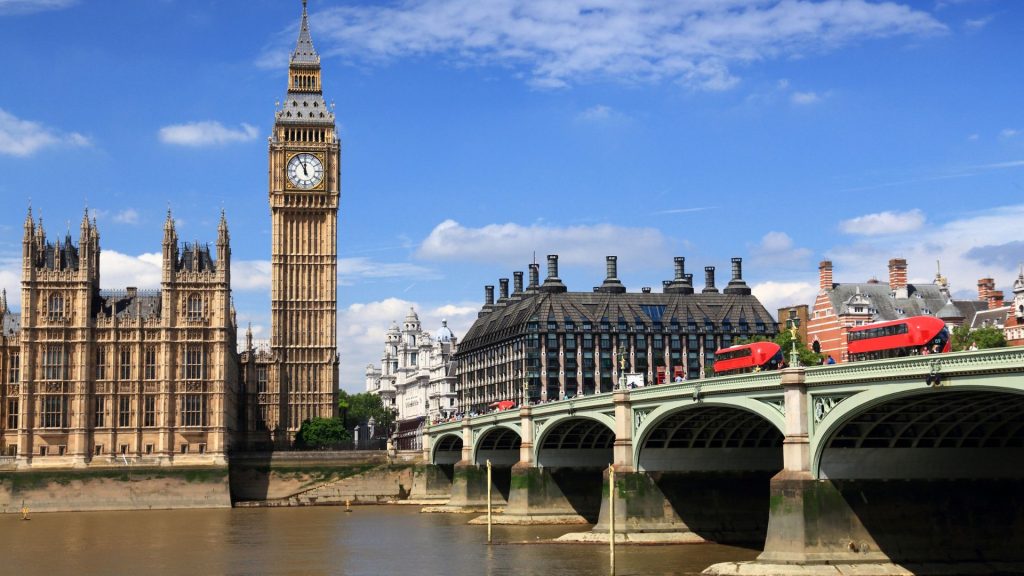
The marketing industry in the United Kingdom is one of the most competitive and fast-moving markets in Europe. British consumers see thousands of ads every single day, which means brands constantly fight for attention in an environment that’s already overloaded with content. Standing out in the UK isn’t just about spending more money on advertising. Honestly, people there can smell fake marketing from a mile away.
British audiences are sharp, sarcastic, digitally connected, and surprisingly skeptical. They appreciate creativity, humor, and authenticity way more than loud sales tactics. A campaign that feels too aggressive or overly dramatic can easily backfire. That’s why some of the best marketing in Britain often feels subtle, witty, or self-aware rather than overly polished.
The UK also has one of the strongest digital economies in Europe. Online shopping is massive, social media deeply influences buying behavior, and businesses rely heavily on SEO, paid ads, email campaigns, and influencer marketing to survive. At the same time, traditional branding still matters a lot because British consumers care strongly about trust and reputation.
Another thing that makes UK marketing unique is cultural diversity. London alone feels like dozens of markets combined into one city. Brands often need to adapt messaging depending on demographics, lifestyles, regions, and even humor styles. What works in Manchester might feel completely different in London or Glasgow.
British Humor Plays a Huge Role in Advertising
One thing that instantly stands out in UK marketing is humor. British advertising often leans into sarcasm, dry wit, awkwardness, or self-deprecating comedy instead of trying too hard to sound inspirational. Audiences there usually prefer brands that feel clever and relatable over companies acting overly corporate.
Some campaigns become viral specifically because they don’t take themselves too seriously.
British consumers generally respond well to:
- Smart humor
- Understated messaging
- Cultural references
- Realistic storytelling
- Emotional honesty
- Creative visuals
At the same time, authenticity matters heavily. UK audiences can quickly sense when humor feels forced or fake. A lot of international brands entering the British market struggle because they copy advertising styles that feel too loud or sales-focused.
There’s also a strong dislike for exaggerated promises. British customers usually prefer brands that sound realistic and grounded instead of pretending every product will “change your life.”
Digital Marketing Completely Dominates the UK Market
The UK has one of the largest e-commerce markets in Europe, so naturally digital marketing sits at the center of modern business strategies. Consumers constantly research products online before buying, whether they’re shopping for clothes, restaurants, insurance, or even local services.
Businesses invest heavily in channels like:
| Marketing Channel | UK Popularity |
| Google Search | Extremely High |
| Very Strong | |
| TikTok | Rapid growth |
| YouTube | High engagement |
| Major B2B platform | |
| Email marketing | Still highly effective |
SEO is especially important because British consumers actively compare brands before spending money. If a business doesn’t appear on the first page of Google, many customers simply won’t find it.
At the same time, paid advertising costs in the UK became insanely competitive over the last few years. Companies now focus more on long-term content marketing and organic audience building instead of relying purely on ads.
Content that educates, entertains, or solves problems tends to perform best.
London Is One of the Biggest Marketing Capitals in Europe
London isn’t just important for British marketing — it’s one of the biggest creative and advertising hubs in the world. Global brands, media agencies, startups, influencers, and tech companies all compete inside the same ecosystem.
The city attracts professionals from everywhere, creating a highly international marketing culture. Because of this, UK campaigns often influence trends across Europe and even globally.
London-based agencies work heavily in industries like:
- Fashion
- Finance
- Technology
- Luxury products
- Entertainment
- Sports marketing
The startup scene also exploded over the past decade. Many smaller British brands now challenge older corporations using social media, influencer campaigns, and community-driven branding instead of giant advertising budgets.
That shift changed the entire marketing landscape. Big brands still dominate television and outdoor ads, but newer digital-first companies often win online attention much faster.
Influencer Marketing Became Massive
Influencer marketing in the UK grew into a multi-billion-pound industry. British consumers spend huge amounts of time on Instagram, TikTok, and YouTube, which made content creators incredibly valuable for brands.
What’s interesting is that UK audiences usually prefer influencers who feel relatable rather than ultra-perfect celebrity types. Authenticity drives engagement far more than polished perfection.
Popular influencer categories include:
- Fitness
- Fashion
- Parenting
- Food
- Finance
- Gaming
- Travel
- Lifestyle
Micro-influencers perform especially well because followers often trust smaller creators more than giant internet celebrities.
But audiences are getting smarter. People notice forced sponsorships quickly, and trust can disappear fast if influencers promote products they clearly don’t use. That’s pushing brands toward longer-term creator partnerships instead of random one-off promotions.
British Consumers Care Deeply About Brand Trust
Trust is honestly everything in UK marketing. British consumers research companies carefully, read reviews obsessively, and compare competitors before making decisions.
Online reputation matters massively now. Businesses with weak reviews or poor customer service often struggle regardless of how good their advertising looks.
Consumers pay close attention to:
| Consumer Priority | Importance |
| Customer reviews | Extremely high |
| Transparent pricing | Very important |
| Fast support | High expectation |
| Ethical behavior | Growing importance |
| Delivery reliability | Essential |
The rise of online shopping increased customer expectations dramatically. People now expect smooth websites, fast delivery, easy returns, and quick communication from almost every business.
A confusing checkout process or slow customer support can instantly destroy trust.
Social Media Changed British Buying Habits
Social media doesn’t just influence entertainment anymore — it directly shapes buying behavior across the UK. Trends spread incredibly fast through TikTok, Instagram Reels, and YouTube Shorts.
A single viral product video can suddenly create nationwide demand overnight.
Brands now create huge amounts of short-form content including:
- Product demos
- Behind-the-scenes clips
- Tutorials
- Founder videos
- Customer reactions
- Meme-style marketing
TikTok especially changed how younger British audiences discover brands. Traditional advertising often feels less effective compared to entertaining creator-driven content.
At the same time, British users can be pretty ruthless online. Brands that make tone-deaf posts or forced trend content sometimes get mocked heavily across social platforms.
That pressure forces marketers to stay culturally aware almost constantly.
Sustainability Became a Serious Marketing Factor
Like much of Europe, the UK market increasingly focuses on sustainability and ethical business practices. Younger consumers especially care about environmental impact and social responsibility.
Businesses now market things like:
- Recyclable packaging
- Carbon reduction
- Ethical sourcing
- Sustainable fashion
- Renewable energy use
- Local production
But British consumers are also skeptical about fake sustainability claims. Greenwashing became a major issue, and audiences now expect real transparency instead of vague eco-friendly messaging.
Companies often publish detailed sustainability goals and measurable progress reports to build credibility.
For some industries, sustainability shifted from “nice bonus” to actual customer expectation.
Email Marketing Still Works Surprisingly Well
Even with social media exploding everywhere, email marketing remains incredibly powerful in the UK business world. British consumers still regularly engage with newsletters, discount offers, and personalized updates — if the content feels useful.
Successful email campaigns usually focus on:
- Exclusive offers
- Helpful content
- Product recommendations
- Loyalty rewards
- Personalized experiences
Spammy mass-email tactics don’t work nearly as well anymore because audiences are more selective about what they open.
Data privacy laws also changed email marketing significantly. Businesses now need clearer permission systems and stronger transparency around customer data collection.
AI Is Starting to Reshape UK Marketing
Artificial intelligence is quickly changing how British businesses approach marketing. Companies increasingly use AI tools for:
- Content generation
- Customer support chatbots
- Ad targeting
- Predictive analytics
- Email automation
- SEO optimization
Large brands especially rely heavily on data-driven marketing decisions now.
At the same time, many businesses are trying to balance automation with human authenticity. British audiences still value personality and creativity, so fully robotic marketing often feels cold or generic.
The companies succeeding most with AI are usually the ones using it to improve efficiency without losing human tone and emotional connection.
The Future of Marketing in Britain
The UK marketing industry keeps evolving insanely fast. Consumer behavior changes quickly, digital platforms constantly shift algorithms, and competition grows every year.
Several trends are shaping the future:
| Trend | Impact on Marketing |
| AI-driven campaigns | Faster personalization |
| Creator economy growth | More influencer partnerships |
| Video-first content | Higher engagement rates |
| Sustainability branding | Stronger customer expectations |
| Community marketing | Increased brand loyalty |
| Voice search & AI search | SEO adaptation needed |
Despite all the technology changes, one thing remains constant: British consumers still respond best to brands that feel trustworthy, clever, and authentic.
A flashy campaign might grab attention temporarily, but long-term success usually comes from building real relationships with audiences.
Conclusion
Marketing in the UK combines creativity, digital innovation, cultural awareness, and strong consumer skepticism all at once. British audiences are highly connected online, but they also value honesty, humor, and authenticity far more than aggressive sales tactics.
Digital marketing dominates nearly every industry, especially SEO, social media, influencer partnerships, and video content. At the same time, customer trust and reputation remain absolutely critical because consumers actively research brands before buying.
The UK market moves fast, trends change constantly, and competition is intense. But businesses that understand British culture and communicate naturally often build incredibly loyal audiences over time.